
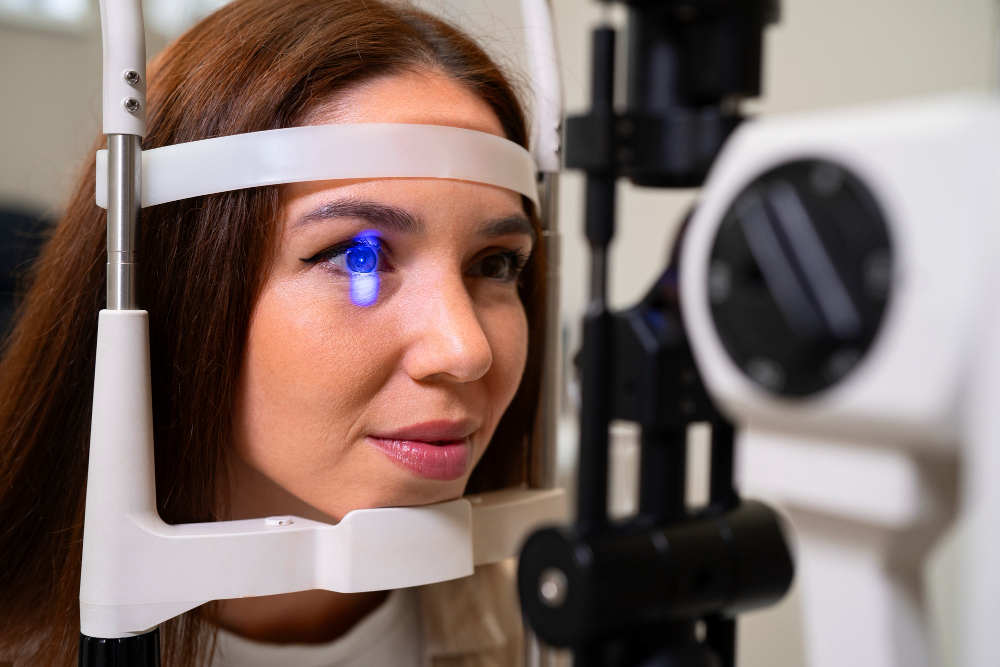
What is Posterior Capsular Opacification (PCO)?
Posterior Capsular Opacification (PCO) is a common problem that can happen after cataract surgery. After the cloudy lens is removed, a clear membrane called the capsule is left behind to hold the new lens. Sometimes, this capsule becomes cloudy again. As a result, vision may become blurry or hazy. Many people call PCO a “secondary cataract,” but it is not a true cataract.
Why Does PCO Occur After Cataract Surgery?
After cataract surgery, some cells may remain on the capsule. Over time, these cells can grow and spread. Because of this, the capsule may become cloudy. This cloudiness can block light from reaching the back of the eye. Therefore, vision may get worse months or even years after surgery. PCO is one of the most common reasons for vision changes after cataract surgery.
Major Risk Factors of PCO
Several things can increase the chance of developing PCO after cataract surgery. Knowing these risk factors can help you stay informed and protect your eye health.
Who is Most at Risk?
While anyone can develop PCO after cataract surgery, some groups face a higher risk. For example, children and young adults are more likely to get PCO. People with diabetes or ongoing eye inflammation also have a greater chance. In addition, those who have had complicated cataract surgery may be at higher risk. Understanding these groups helps doctors watch for early signs of PCO.
How to Reduce the Risk of PCO
Although PCO cannot always be prevented, there are steps to lower the risk. Surgeons use special techniques and choose certain lens implants to help. For instance, some lenses are designed to stop cell growth on the capsule. Also, treating any eye inflammation before and after surgery can help. Because of these steps, the risk of PCO is lower for many people today.
When to Seek Medical Advice
If you notice blurry vision, glare, or trouble seeing after cataract surgery, talk to your eye doctor. Sometimes, these changes may be a sign of PCO. Early treatment can help restore clear vision. In most cases, a simple laser procedure can fix PCO quickly and safely. Therefore, do not wait if you have concerns about your eyesight.
If you have questions about cataract surgery or the risk factors for PCO, consult an eye specialist at Ishaa Netralaya Eye Care Hospital for personalized advice.