
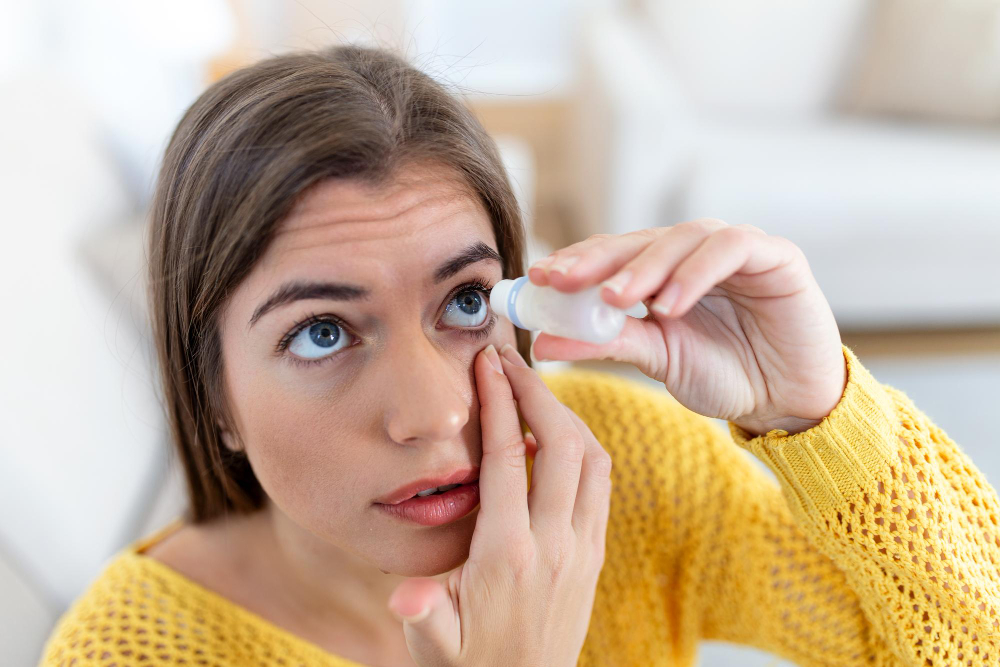
What is Conjunctivitis?
Conjunctivitis, also called pink eye, is an infection or swelling of the thin layer covering the white part of your eye. This layer is called the conjunctiva. When it gets inflamed, your eyes may look red and feel itchy. Many people get conjunctivitis in winter, so it is important to know how to protect your eyes.
Why is Conjunctivitis Common in Winter?
During winter, people spend more time indoors. As a result, germs spread more easily. Dry air from heaters can also irritate your eyes. In addition, cold weather may weaken your immune system. For these reasons, conjunctivitis in winter is more common than in other seasons.
Symptoms of Conjunctivitis in Winter
It is important to spot winter pink eye symptoms early. Common signs include:
If you notice these symptoms, you should take steps to protect your eyes and prevent spreading the infection.
Causes and Risk Factors
There are several causes of conjunctivitis in winter. The most common are:
Some people are at higher risk. For example, children, people with weak immune systems, and those who wear contact lenses may get conjunctivitis more easily in winter.
Diagnosis and When to See a Doctor
If you have red, itchy eyes that do not get better in a few days, you should see a doctor. Sometimes, conjunctivitis can look like other eye problems. Only a doctor can tell for sure. In some cases, you may need special eye drops or other treatment. If you have pain, vision changes, or lots of swelling, seek help right away.
Treatment Options
Treatment for conjunctivitis in winter depends on the cause. Your doctor may suggest:
Most cases get better in one to two weeks. However, you should always finish any medicine your doctor gives you.
Prevention Tips: How to Protect Your Eyes in Winter
There are many ways to protect eyes from conjunctivitis, especially during cold months. Try these winter eye infection prevention tips:
By following these steps, you can lower your risk of getting conjunctivitis in winter.
Lifestyle and Home Care Guidance
Even if you get conjunctivitis, you can care for your eyes at home. For example, you can:
However, if your symptoms get worse, call your doctor for advice.
Frequently Asked Questions (FAQs)
Conclusion and Call-to-Action
In summary, conjunctivitis in winter is common but can be prevented. By keeping your hands clean and avoiding eye contact, you can protect your eyes. If you notice symptoms of conjunctivitis this winter, consult Ishaa Netralaya Eye Care Hospital for personalized advice.