
Introduction
Corneal abrasions are small scratches on the clear front surface of your eye. The cornea helps you see clearly. Even a tiny scratch can cause pain and discomfort. Because the cornea is sensitive, it is important to know the signs and how to care for your eyes. In this blog, you will learn about corneal abrasion symptoms, causes, diagnosis, treatment, and prevention. You will also find tips for eye safety and first aid for eye injuries.
Symptoms of Corneal Abrasions
Corneal abrasion symptoms can appear quickly after an eye injury. Often, these signs are hard to ignore. For example, you may notice:
Sometimes, symptoms may seem mild at first. However, they can get worse if not treated. If you notice any of these signs, it is wise to seek help.
Causes and Risk Factors
Many things can cause corneal abrasions. Most often, they happen when something scratches or pokes your eye. Common causes include:
Additionally, some people are at higher risk. For instance, children, contact lens users, and people who work in dusty places may be more likely to get a scratched cornea.
Diagnosis of Corneal Abrasions
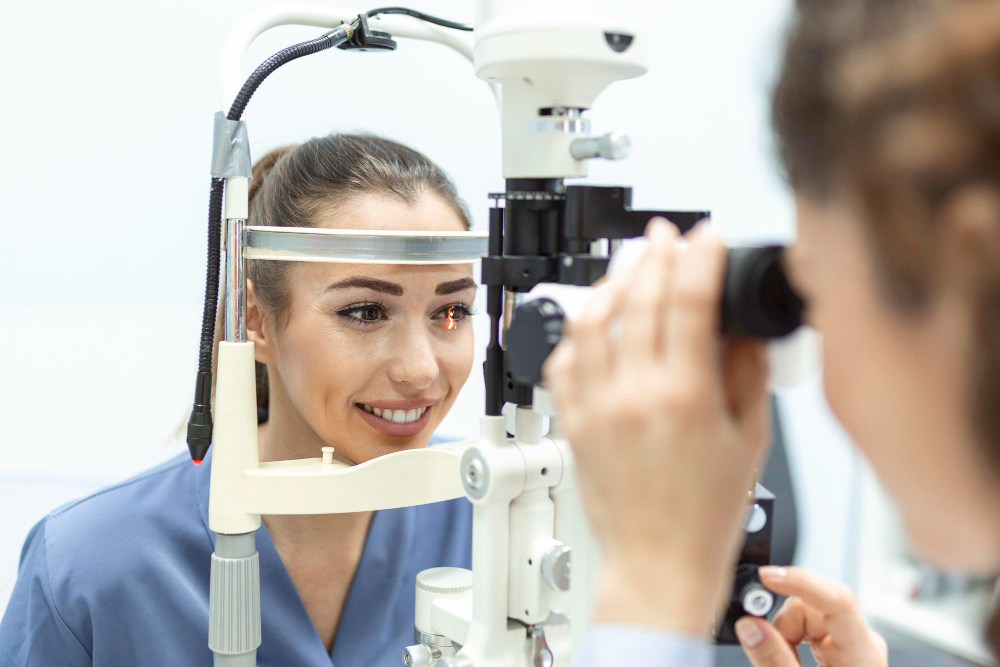
If you think you have a corneal abrasion, an eye doctor can help. First, the doctor will ask about your symptoms and how the injury happened. Then, they may use special eye drops that highlight scratches under a blue light. This test is safe and quick. Sometimes, the doctor will check your vision or look for signs of infection. Early diagnosis helps prevent problems and speeds up healing.
Treatment Options
Treating a scratched cornea is important for fast recovery. Most corneal abrasions heal within a few days. However, you should follow your doctor’s advice. Treatment may include:
At home, you can rest your eyes and avoid bright lights. But do not use over-the-counter redness drops unless your doctor says it is safe. If pain or vision problems get worse, seek medical help right away. For serious injuries, visit an eye clinic near you.
Prevention Tips
Preventing corneal abrasions is possible with simple steps. For example, you can:
Moreover, always follow your eye doctor’s advice for eye care. These habits can lower your risk of eye injuries.
When to See a Doctor
Sometimes, home care is not enough. You should see an eye specialist if:
Early treatment can prevent infection and protect your vision. For any eye injury, it is better to be safe and get checked by a professional.
Conclusion
In summary, corneal abrasions are common but treatable. Knowing the symptoms, causes, and treatment options can help you act quickly. Always protect your eyes and practice good hygiene. Consult an eye specialist at Ishaa Netralaya Eye Care Hospital if you suspect a corneal abrasion or for personalized advice.