
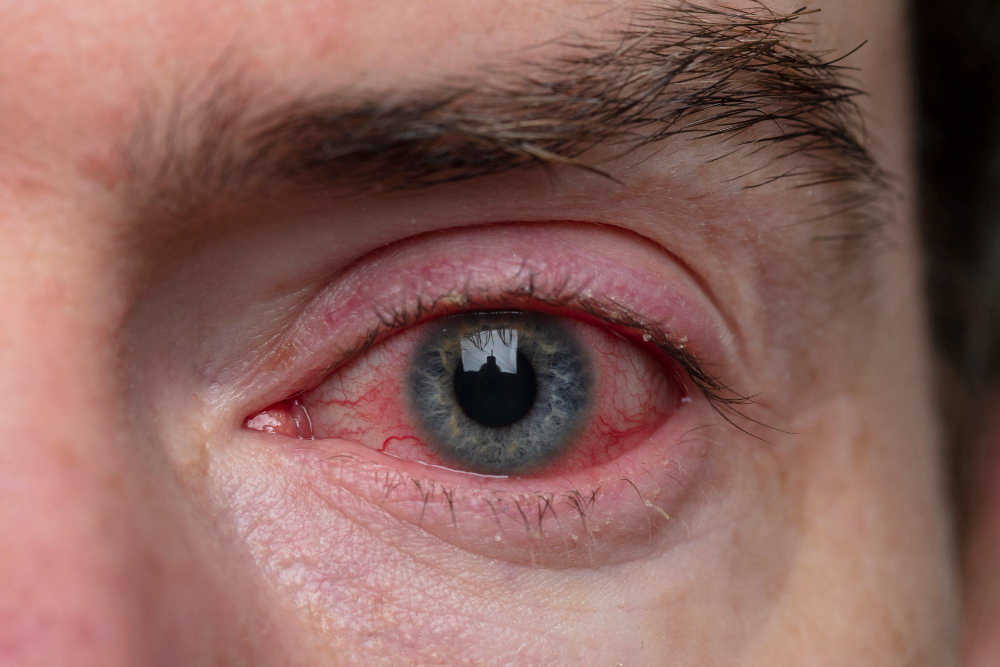
What is Seasonal Conjunctivitis?
Seasonal conjunctivitis is a common eye problem that often appears during certain times of the year. Many people call it allergic conjunctivitis or spring eye irritation. It happens when your eyes react to allergens like pollen, dust, or mold. Because these triggers are more common in spring and summer, symptoms often get worse during these seasons. According to the CDC, allergic conjunctivitis affects millions of people worldwide each year.
Common Symptoms
Symptoms of seasonal conjunctivitis can be mild or severe. However, they usually affect both eyes. Early recognition helps you manage the condition better. Here are the most common eye allergy symptoms:
Sometimes, you may also notice sneezing or a runny nose. These symptoms often appear together with eye irritation during allergy season.
Main Causes and Risk Factors
Seasonal conjunctivitis happens when your immune system reacts to harmless things in the air. For example, pollen from trees, grasses, or weeds can trigger symptoms. Other common causes include dust mites, pet dander, and mold spores. Not everyone reacts the same way, but some people are more likely to get eye allergies. Here are the main risk factors:
Because these triggers are hard to avoid, many people experience symptoms every year.
How Seasonal Conjunctivitis is Diagnosed
Doctors usually diagnose seasonal conjunctivitis based on your symptoms and a simple eye exam. First, your doctor will ask about your medical history and recent activities. Then, they will look at your eyes for signs of redness, swelling, or discharge. Sometimes, they may use special tests to rule out other causes, such as infections. For example, they might gently swab your eye to check for bacteria or viruses. However, most cases do not need lab tests. If your symptoms are severe or do not improve, your doctor may refer you to an eye specialist.
Effective Treatment Options
There are many ways to treat seasonal conjunctivitis. Most treatments aim to relieve symptoms and prevent future flare-ups. Here are some effective options:
Because rubbing your eyes can make symptoms worse, try to avoid touching them. Always follow your doctor’s advice before starting new medicines.
Prevention Tips and Lifestyle Guidance
While you cannot always avoid seasonal conjunctivitis, you can lower your risk. Here are some simple tips on how to prevent conjunctivitis and protect your eyes:
Because prevention is key, these steps can help reduce your symptoms and keep your eyes healthy.
When to See an Eye Specialist
Most cases of seasonal conjunctivitis are mild and get better with home care. However, you should see an eye specialist if:
Early treatment can prevent complications and protect your vision. Therefore, do not wait if you are worried about your eyes.
In summary, seasonal conjunctivitis is common but manageable. Consult an eye specialist at Ishaa Netralaya for personalized advice on seasonal conjunctivitis.