
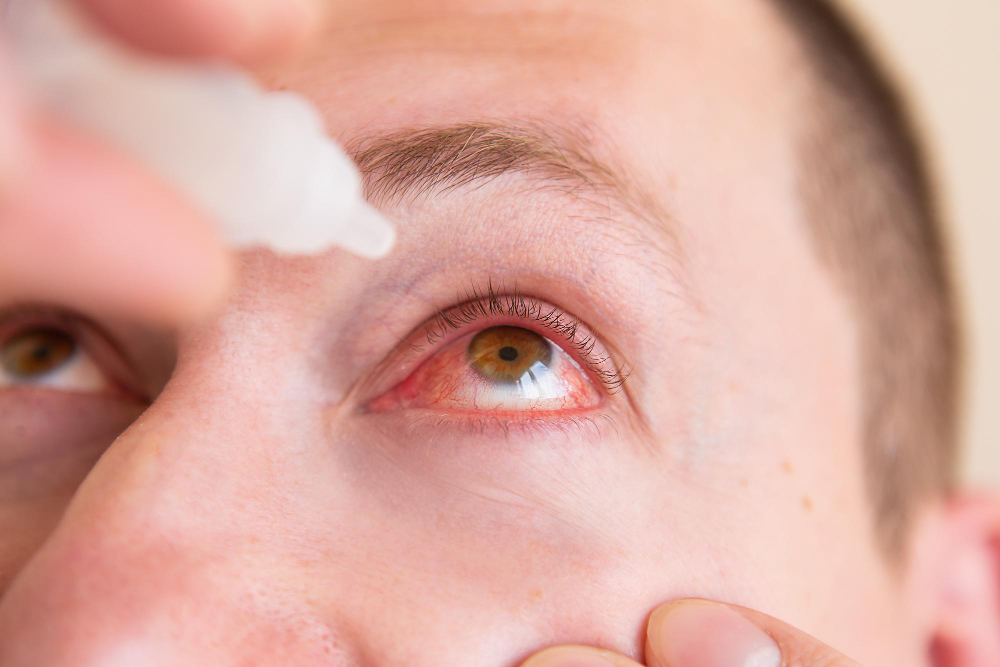
What Is Allergic Conjunctivitis?
Allergic conjunctivitis is a common eye allergy. It happens when your eyes react to allergens like pollen, dust, or pet dander. Because of this reaction, the thin layer covering your eye, called the conjunctiva, becomes red and swollen. Many people call this condition “red itchy eyes.” Although it can be uncomfortable, allergic conjunctivitis is usually not serious. However, it can affect your daily life if not managed well.
Common Symptoms of Allergic Conjunctivitis
Symptoms often appear quickly after contact with an allergen. For example, you may notice discomfort soon after being outdoors or near pets. The most common signs include:
Sometimes, both eyes are affected at the same time. But symptoms can be worse in one eye than the other.
Main Causes and Risk Factors
Allergic conjunctivitis happens when your immune system reacts to harmless substances. These substances are called allergens. Common causes include:
Some people are more likely to get allergic conjunctivitis. For instance, if you have other allergies like hay fever, asthma, or eczema, your risk is higher. Children and young adults often experience this condition more than older adults. Also, living in areas with high pollen or pollution can increase your risk.
Diagnosis Methods
Doctors usually diagnose allergic conjunctivitis by asking about your symptoms and medical history. They may also:
In some cases, your doctor may suggest allergy testing. This helps find out which allergens are causing your symptoms. Rarely, a sample of eye discharge may be tested to rule out infection. According to the CDC, most cases are diagnosed based on symptoms and eye exam alone.
Treatment Options for Allergic Conjunctivitis
Treatment focuses on relieving symptoms and avoiding triggers. There are several options available:
Medical Treatments
Home Care Tips
Always follow your doctor’s advice for conjunctivitis treatment. Some over-the-counter drops may not be safe for everyone.
Prevention Tips
While you cannot always avoid allergens, you can lower your risk. Try these prevention tips:
Because prevention is key, these steps can help reduce flare-ups.
Lifestyle Guidance for Managing Allergic Conjunctivitis
Living with eye allergies can be challenging, but simple changes can help. For example, wear sunglasses outdoors to protect your eyes from pollen. Also, avoid touching or rubbing your eyes, even if they itch. If you wear contact lenses, switch to glasses during allergy season or use daily disposable lenses. In addition, keep your bedding and curtains clean to lower dust exposure. If symptoms persist, talk to your doctor about long-term allergy eye care.
When to See a Doctor
Most cases of allergic conjunctivitis are mild. However, you should see a doctor if:
Prompt care can help prevent complications and ensure proper conjunctivitis treatment.
Conclusion
Allergic conjunctivitis can cause red, itchy, and watery eyes. But with the right care, you can manage symptoms and protect your eye health. For the best results, avoid triggers, follow your doctor’s advice, and practice good allergy eye care. Consult an eye specialist at Ishaa Netralaya Eye Care Hospital for personalized advice on allergic conjunctivitis.