
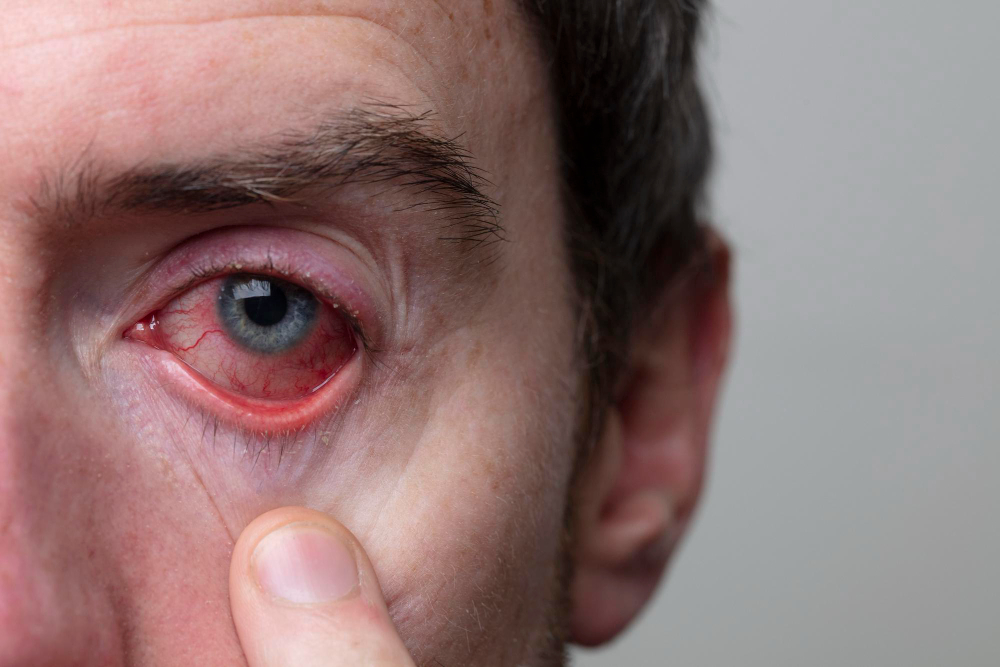
Introduction: What Is a Corneal Ulcer?
A corneal ulcer is an open sore on the clear front part of your eye, called the cornea. This condition can be serious and may lead to vision loss if not treated quickly. In the United States, corneal ulcers are a common reason for emergency eye visits. Because the cornea helps focus light, any damage can affect your sight. Early care is important to prevent lasting problems.
Causes of Corneal Ulcers
Many things can cause a corneal ulcer. Often, an eye infection is the main reason. However, other factors can also play a role. Below are the most common causes:
Sometimes, poor eye hygiene or using old contact lenses can increase your risk. For this reason, proper care is key to preventing corneal ulcers.
Symptoms of Corneal Ulcer
Recognizing corneal ulcer symptoms early can help you get treatment fast. Common signs include:
Sometimes, you may also see a white or gray spot on the cornea. If you notice any of these symptoms, seek medical help right away. Early treatment can protect your vision.
Diagnosis of Corneal Ulcers
Doctors use several methods to diagnose a corneal ulcer. First, they will ask about your symptoms and eye care habits. Next, they will examine your eye with a special microscope called a slit lamp. Often, doctors use a dye called fluorescein to highlight any damage on the cornea. In some cases, they may take a small sample from the ulcer to find out which germ is causing the problem. Quick and accurate diagnosis helps guide the best treatment plan.
Treatment Approaches for Corneal Ulcers
Corneal ulcer treatment depends on the cause. However, most cases need prompt care to prevent vision loss. Common treatment options include:
In rare cases, surgery may be needed if the ulcer does not heal or if vision is at risk. Always follow your doctor’s advice for the best results.
Prevention: How to Avoid Corneal Ulcers
Preventing corneal ulcers is possible with good eye care habits. Here are some helpful tips:
By following these steps, you can lower your risk of developing a corneal ulcer.
Lifestyle Guidance for Eye Care and Recovery
Good daily habits support eye health and help recovery from a corneal ulcer. For example, always use your medicine as prescribed. In addition, rest your eyes and avoid bright lights if they feel sensitive. Try not to touch or rub your eyes, as this can slow healing. If you wear contact lenses, switch to glasses until your doctor says it is safe. Moreover, eat a balanced diet rich in vitamins A and C, which support eye health. Finally, keep all follow-up appointments with your eye specialist to track your progress.
In summary, early care and healthy habits can make a big difference. Consult an eye specialist at Ishaa Netralaya Eye Care Hospital for personalized advice on corneal ulcer prevention and treatment.