
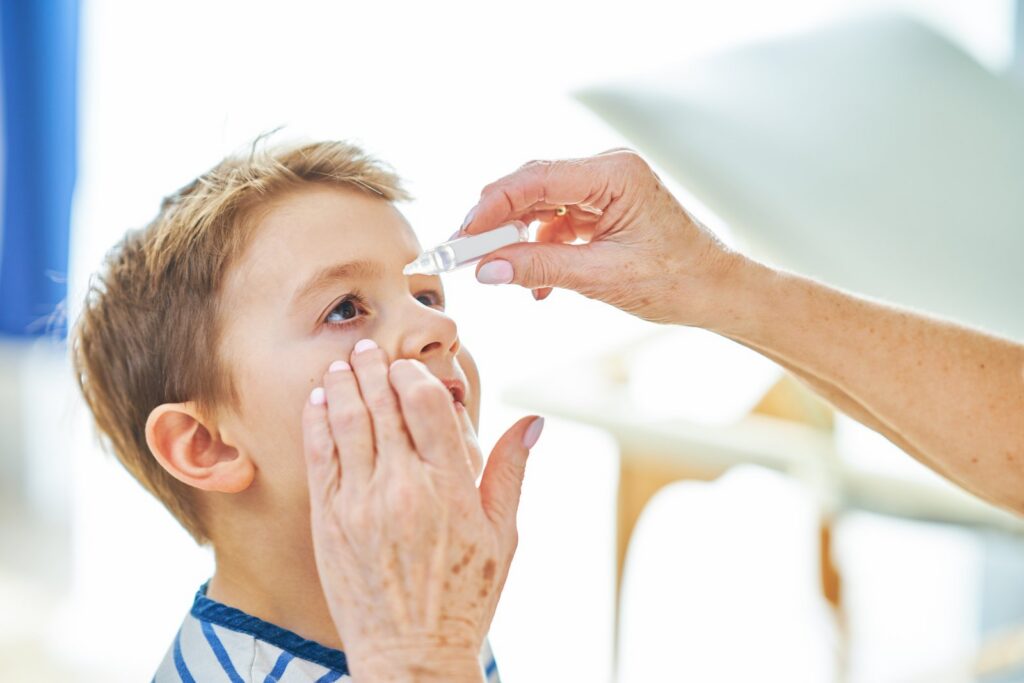
Eye allergies in children are common, especially during certain seasons. Many parents notice their child rubbing their eyes or complaining about itchiness. Because eye allergies in children can cause discomfort, it is important to know the signs and how to help. Understanding childhood eye allergy symptoms and ways of preventing eye allergies in kids can make a big difference in your child’s comfort.
What Are Eye Allergies in Children?
Eye allergies, also called allergic conjunctivitis, happen when a child’s eyes react to something in the environment. For example, pollen, dust, or pet dander can trigger these reactions. When the eyes come into contact with these triggers, the body releases chemicals like histamine. As a result, the eyes become red, itchy, and watery. Unlike infections, eye allergies are not caused by germs. Instead, they are a response to harmless things that the body sees as threats.
Common Symptoms of Eye Allergies in Children
Children with eye allergies may show different signs. However, some symptoms are more common than others. Knowing these can help parents spot a problem early. For instance, you may notice your child:
Sometimes, these symptoms appear with other allergy signs, such as sneezing or a runny nose. Because these signs can look like other problems, it is helpful to watch for patterns, such as symptoms getting worse during certain times of the year.
Causes and Triggers of Eye Allergies in Children
Many things can cause or trigger eye allergies in children. While some triggers are found indoors, others are outside. Common causes include:
Because every child is different, some may react to only one trigger, while others may have several. For example, a child might have symptoms only when playing outside or after petting a cat. Understanding these triggers can help with managing pediatric eye allergies.
How Eye Allergies Are Diagnosed in Children
Doctors use several steps to diagnose eye allergies in children. First, they ask about symptoms and when they happen. Next, they look at the eyes to check for redness, swelling, or other signs. Sometimes, doctors may ask about family history, since allergies can run in families. In some cases, they may suggest allergy testing. For example, a skin or blood test can help find out what is causing the reaction. According to the CDC, most cases are diagnosed by looking at symptoms and triggers. However, testing can help if the cause is not clear.
Prevention Tips for Eye Allergies in Children
Preventing eye allergies in kids is possible with some simple steps. While it may not be possible to avoid all triggers, these tips can help reduce your child’s risk:
Because triggers can be different for each child, it helps to keep a diary of symptoms. That way, you can spot patterns and avoid certain activities or places when needed.
Lifestyle Guidance for Managing Eye Allergies
Managing pediatric eye allergies involves daily habits. For example, remind your child not to rub their eyes, as this can make symptoms worse. Instead, use a cool, damp cloth to soothe itching. Over-the-counter allergy eye drops may help, but always check with your doctor first. In addition, encourage your child to wear sunglasses outdoors. This can help keep pollen and dust out of their eyes. If your child wears contact lenses, talk to your eye doctor about safe options. Sometimes, switching to glasses during allergy season can reduce symptoms. With these steps, you can help your child feel better and enjoy daily life.
Conclusion
Eye allergies can cause itching, redness, watering, and discomfort in children, especially when they are exposed to common allergens. Identifying triggers and following appropriate eye care can help manage symptoms and reduce recurring discomfort. Persistent or severe symptoms should be evaluated by an eye specialist.
Is your child experiencing frequent itchy, red, or watery eyes?
Consult the eye care team at Ishaa Netralaya Eye Care Hospital for proper evaluation and personalised guidance.