
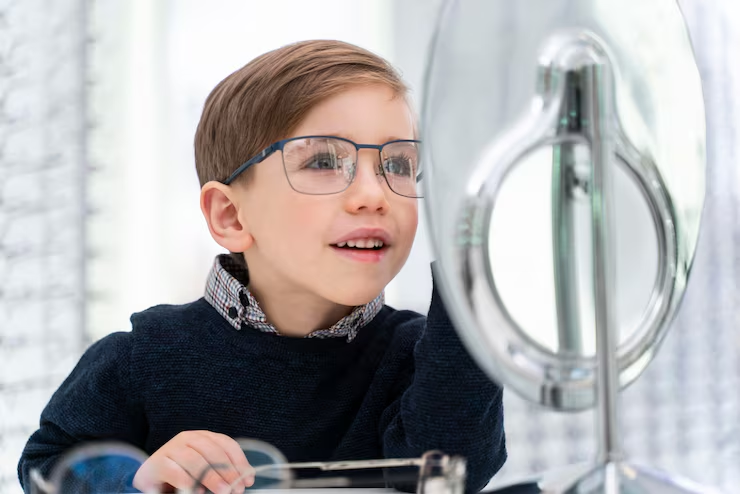
What is Amblyopia?
Amblyopia, often called lazy eye, is a common vision problem. It usually starts in childhood. In this condition, one eye does not develop normal vision. As a result, the brain favors the stronger eye. Over time, the weaker eye gets worse. Early treatment can help prevent lasting vision loss. According to the CDC, amblyopia affects about 2-3 out of every 100 children.
Common Causes of Amblyopia
There are several reasons why amblyopia can develop. Often, it happens when the eyes do not work together. Here are the main causes:
Because these issues often start early, regular eye checks for children are important. Early detection can make a big difference.
Recognizing Symptoms of Amblyopia
Many parents wonder about lazy eye symptoms. Sometimes, signs are easy to miss. However, some children may show:
Because children may not notice vision problems, regular eye exams are key. Early signs can be subtle, so watch for any changes in your child’s vision or behavior.
How Amblyopia is Diagnosed
Eye doctors use several tests to check for amblyopia in children. First, they will ask about your child’s vision history. Next, they may use:
Because early diagnosis is important, experts recommend eye exams for all children before age five. If you live in a city with many eye care clinics, such as New York or Los Angeles, you can find amblyopia treatment options nearby.
Treatment Options for Amblyopia
There are several amblyopia treatment options. The best choice depends on the cause and age of the child. Common treatments include:
Because early treatment works best, start as soon as possible. Most children improve with these methods, especially when started young.
Tips for Prevention and Eye Health
While not all cases can be prevented, you can lower the risk of amblyopia in children by:
Because early action is key, do not wait if you notice any changes in your child’s eyes.
Frequently Asked Questions (FAQs)
Conclusion
Amblyopia, or lazy eye, is a common vision problem in children. Because early treatment can prevent lasting vision loss, regular eye exams are important. If you notice any signs or have concerns, consult an eye care specialist at Ishaa Netralaya Eye Care Hospital for personalized guidance on amblyopia.