
Introduction
A chalazion is a common eyelid bump that can affect anyone. It forms when a small oil gland in the eyelid becomes blocked. Because it can cause discomfort and swelling, a chalazion may impact your daily life. Early recognition and proper care are important for eye health. In this blog, you will learn about chalazion causes, symptoms, diagnosis, and treatment. You will also find helpful tips for home care and prevention.
What is a Chalazion?
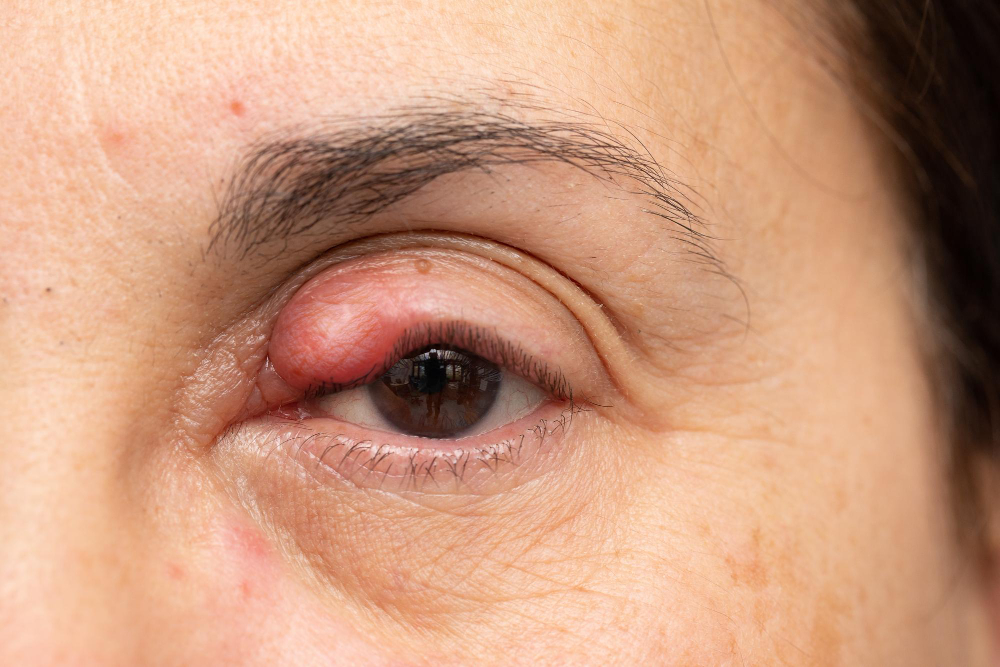
A chalazion is a painless lump or swelling on the eyelid. It usually develops slowly and may feel firm to the touch. Unlike a stye, a chalazion is not caused by an infection. Instead, it results from a blocked oil gland. Sometimes, it can grow large enough to press on the eye and blur your vision. However, most chalazion are harmless and go away with simple care.
Symptoms of Chalazion
Chalazion symptoms are usually easy to spot. Still, they can be confused with other eyelid problems. Common signs include:
Sometimes, a chalazion can become tender if it gets infected. But most often, it does not hurt.
Causes and Risk Factors
Chalazion forms when the oil glands in the eyelid get blocked. These glands help keep your eyes moist. When oil builds up, a lump can form. Several factors can increase your risk:
For some people, chalazion may come back. Good eyelid hygiene can help lower your risk.
Diagnosis of Chalazion
Doctors usually diagnose chalazion by looking at your eyelid. They may ask about your symptoms and medical history. In most cases, no special tests are needed. However, if the lump does not go away or looks unusual, your doctor may suggest further checks. This helps rule out other eye problems.
Treatment Options
Most chalazion heal on their own within a few weeks. Still, some may need treatment. Common chalazion treatments include:
It is important not to squeeze or pop the chalazion. This can make the problem worse.
Home Care and Lifestyle Tips
There are simple steps you can take at home to help a chalazion heal:
With proper care, most chalazion improve without medical treatment.
Prevention Strategies
Although chalazion cannot always be prevented, you can lower your risk. Try these prevention tips:
Good eyelid hygiene is key to preventing future problems.
When to See an Eye Specialist
Most chalazion are not serious. However, you should see an eye specialist if:
Early treatment can prevent complications and protect your eye health.
Consult an eye specialist at Ishaa Netralaya Eye Care Hospital for personalized advice and treatment if you suspect a chalazion.