
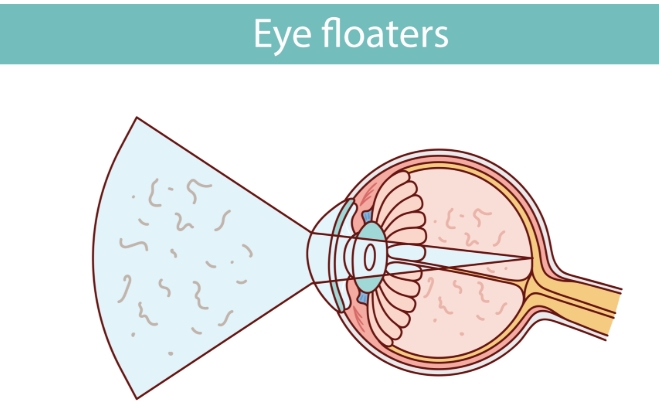
What Are Eye Floaters?
Eye floaters are small shapes that drift across your vision. Often, they look like spots, threads, or cobwebs. Sometimes, you may notice them more when looking at a bright background, such as the sky or a white wall. Because they move as your eyes move, it can be hard to focus on them directly. While most floaters are harmless, they can sometimes signal a problem with your eyes. For this reason, it is important to know what causes eye floaters and when to worry about them.
Common Causes of Eye Floaters
Most eye floaters are caused by changes in the gel-like substance inside your eye, called the vitreous. As you age, this gel becomes more liquid, and tiny fibers can clump together. These clumps cast shadows on your retina, which you see as floaters. However, there are other causes as well. For example, floaters may appear after an eye injury or certain eye surgeries.
According to the Centers for Disease Control and Prevention (CDC), most floaters are not dangerous. Still, sudden changes can mean a serious eye problem.
When to Seek Medical Advice for Eye Floaters
Usually, floaters are harmless and do not need treatment. However, you should see an eye doctor right away if you notice any of the following signs. Early care can protect your vision.
For example, these symptoms may mean a torn or detached retina. In this case, quick treatment is very important. If you live in a city with many eye clinics, such as New York City, you can find help quickly.
Diagnosis of Eye Floaters
First, your eye doctor will ask about your symptoms. Next, they will check your eyes using special lights and lenses. This exam helps them see the inside of your eye and spot any problems. Sometimes, they may use eye drops to widen your pupils. Because this makes it easier to look at the retina, it is a common part of the test. In rare cases, more tests like eye scans may be needed. These steps help your doctor find the cause and decide if you need eye floaters treatment.
Treatment Options for Eye Floaters
Most floaters do not need treatment and may fade over time. However, if floaters are very bothersome or caused by a serious problem, your doctor may suggest treatment. For example, if you have a retinal tear, you may need laser treatment or surgery right away.
According to the World Health Organization (WHO), most people do not need surgery for floaters. Still, your doctor will help you choose the best option.
Preventive Measures and Eye Health Tips
While you cannot always prevent eye floaters, you can take steps to keep your eyes healthy. Because some causes are linked to other health problems, caring for your overall health is important.
For example, regular checkups can catch problems early. In addition, healthy habits support good vision for years to come. Consult expert eye specialists at Ishaa Netralaya Eye Care Hospital.