
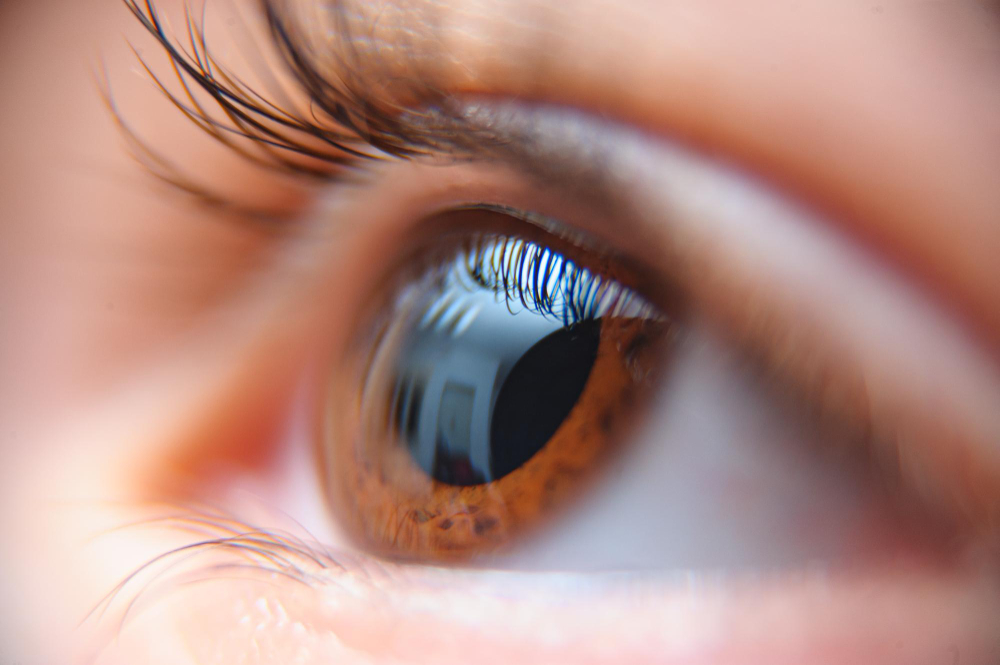
What is Keratoconus?
Keratoconus is an eye condition that affects the cornea. The cornea is the clear, dome-shaped front part of your eye. In keratoconus, the cornea becomes thin and starts to bulge outward like a cone. Because of this change, vision can become blurry or distorted. Early detection of keratoconus can help prevent serious vision problems. According to the American Academy of Ophthalmology, keratoconus often begins in the teenage years or early adulthood.
Causes and Risk Factors
Doctors do not know the exact cause of keratoconus. However, several factors may increase your risk. For example, genetics play a role. If someone in your family has keratoconus, your risk is higher. In addition, frequent eye rubbing can damage the cornea and may lead to keratoconus. Certain medical conditions, such as allergies or asthma, are also linked to this condition. Sometimes, people with Down syndrome or connective tissue disorders are more likely to develop keratoconus.
Common Symptoms
At first, keratoconus symptoms can be mild. But over time, they may get worse. For instance, you might notice blurry or distorted vision. You may also become more sensitive to light. Sometimes, you may need frequent changes in your glasses or contact lens prescription. In some cases, double vision or streaks around lights can occur. If you notice any of these symptoms, it is important to see an eye doctor.
Diagnosis Methods
Eye specialists use several tests to diagnose keratoconus. First, they may check your vision and look for changes in your prescription. Next, they use a special tool called a slit lamp to examine your cornea. In addition, doctors often use corneal topography. This test creates a map of your cornea’s shape and thickness. Sometimes, they may use other scans to measure corneal thinning. Early diagnosis can help slow the progression of keratoconus.
Treatment Options
Treatment for keratoconus depends on how severe the condition is. In the early stages, glasses or soft contact lenses may help. However, as the disease progresses, you may need special contact lenses called rigid gas permeable lenses. These lenses help correct vision by covering the irregular cornea. For some people, doctors recommend corneal cross-linking. This procedure uses light and vitamin drops to strengthen the cornea. In advanced cases, a corneal transplant may be needed. According to the National Eye Institute, most people with keratoconus do not go blind, but early treatment is important.
Lifestyle Tips and Prevention
While you cannot always prevent keratoconus, certain steps may help protect your eyes. For example, avoid rubbing your eyes, as this can damage the cornea. If you have allergies, treat them to reduce itching. Always wear sunglasses outdoors to protect your eyes from UV rays. In addition, keep your regular eye check-ups. Early detection of changes can help manage keratoconus more effectively.
When to See an Eye Specialist
If you notice any changes in your vision, do not wait. For instance, if your vision becomes blurry or you see halos around lights, see an eye specialist at Ishaa Netralaya Eye Care Hospital. Early diagnosis of keratoconus can help prevent serious vision loss. Even if you have mild symptoms, regular eye exams are important. Your eye doctor at Ishaa Netralaya Eye Care Hospital can suggest the best treatment for you.
In summary, keratoconus is a treatable eye condition. However, early detection and proper care are key. Consult an eye specialist at Ishaa Netralaya Eye Care Hospital for personalized advice on keratoconus.