
Introduction
LASIK Eye Surgery is a popular way to correct vision problems. Many people choose LASIK to reduce or stop using glasses or contact lenses. In this procedure, a doctor uses a laser to reshape the cornea, which is the clear front part of your eye. As a result, light focuses better on the retina, helping you see more clearly. LASIK Eye Surgery is safe for most healthy adults, but it is important to know what to expect before, during, and after the procedure.
Symptoms and Vision Problems LASIK Addresses
Many people have vision problems that LASIK can help. For example, you may notice blurry vision or trouble seeing far or near objects. LASIK Eye Surgery treats these common issues:
Because LASIK corrects these problems, many people enjoy clearer vision after surgery.
Causes and Eligibility Criteria for LASIK
Vision problems often happen when the shape of your eye prevents light from focusing correctly. LASIK Eye Surgery can fix these issues for many people. However, not everyone is a good candidate. To be eligible for LASIK, you usually need to meet these criteria:
Still, your doctor will check your eyes to make sure LASIK is safe for you.
Diagnosis and Pre-Surgery Evaluation
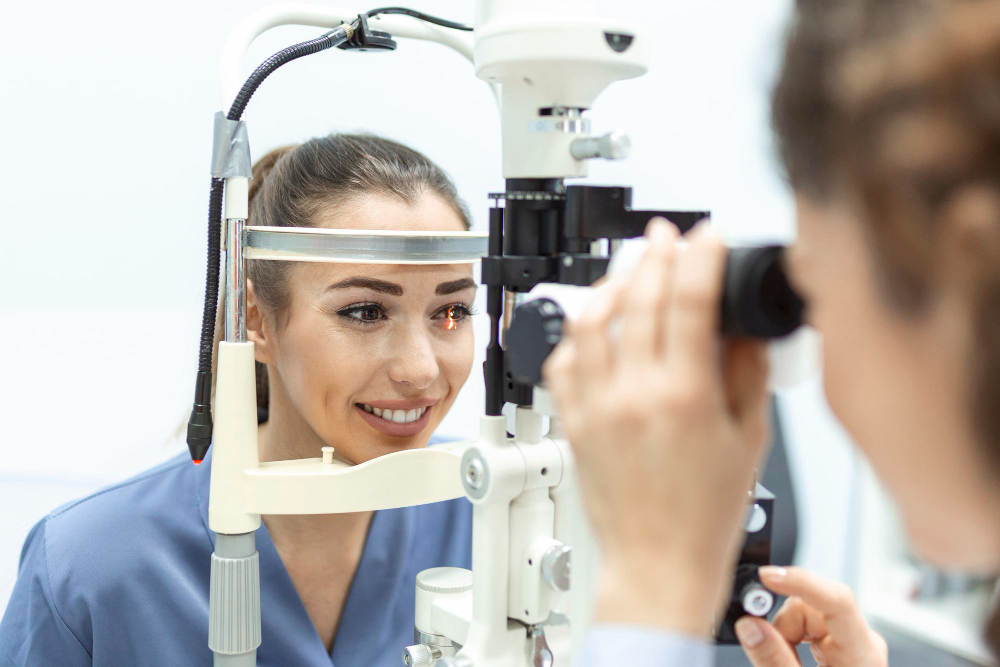
Before LASIK Eye Surgery, you will have a full eye exam. During this visit, your doctor will:
Because every eye is different, these tests help your doctor decide if LASIK is right for you. If you wear contact lenses, you may need to stop using them for a few weeks before your exam. This helps your eyes return to their natural shape.
The LASIK Procedure: Step-by-Step Overview
LASIK Eye Surgery is quick and usually painless. Here is what you can expect during the procedure:
Because the procedure is fast, most people go home the same day.
Recovery and Aftercare
After LASIK Eye Surgery, you may notice clearer vision within a few hours. However, full recovery can take a few days. To help your eyes heal, follow these tips:
Because healing is important, always attend your follow-up visits. If you notice pain, redness, or vision changes, contact your doctor right away.
Benefits and Risks of LASIK
Many people choose LASIK Eye Surgery for its benefits. For example, you may enjoy:
However, like any surgery, LASIK has risks. Some possible side effects include:
Although serious problems are rare, it is important to discuss risks with your doctor. According to the U.S. Food and Drug Administration (FDA), most people are satisfied with their results.
Prevention and Lifestyle Guidance (Eye Health Tips Post-Surgery)
After LASIK, you can help keep your eyes healthy by following these tips:
Because good habits support long-term eye health, make them part of your daily routine.
Frequently Asked Questions (FAQs)
Conclusion
In summary, LASIK Eye Surgery is a safe and effective way to improve vision for many people. Because every eye is unique, it is important to have a full evaluation before surgery. For the best results, follow your doctor’s advice and take care of your eyes after the procedure. Consult a qualified ophthalmologist at Ishaa Netralaya Eye Care Hospital for personalized advice about LASIK Eye Surgery.