
Introduction
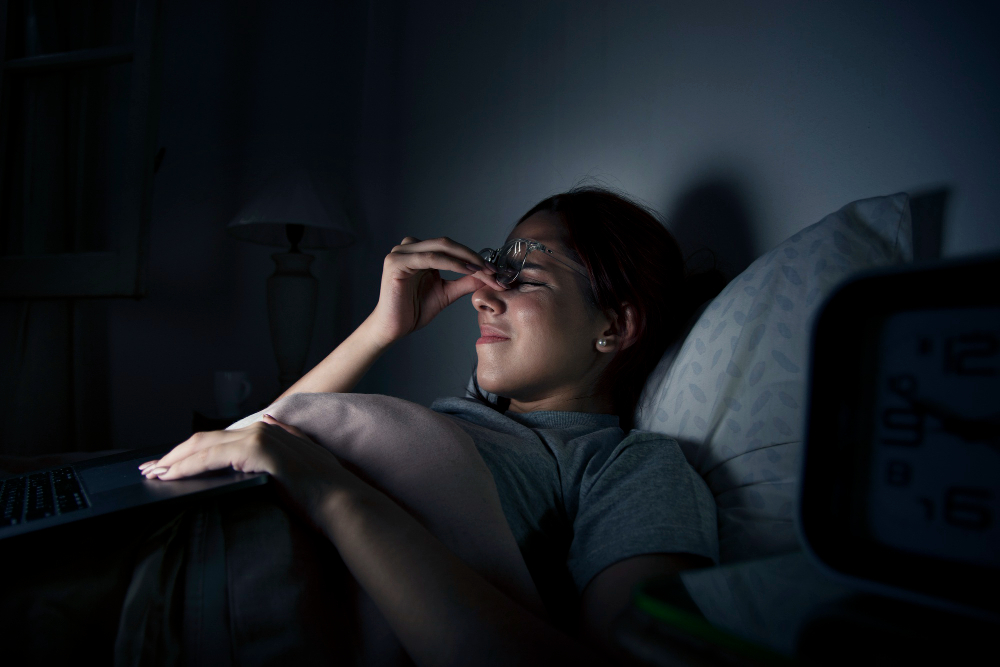
Night blindness, also called nyctalopia, means trouble seeing in low light or darkness. For many people, this condition makes it hard to drive at night or move safely in dim places. Because night blindness can affect daily life, it is important to know its causes, symptoms, and treatment options. According to the World Health Organization (WHO), early care can help prevent vision loss and improve quality of life.
Symptoms of Night Blindness
Night blindness shows up in several ways. For example, you may notice these symptoms:
However, symptoms can vary from person to person. If you notice any of these signs, it is wise to pay attention and seek help.
Causes and Risk Factors
Night blindness has many causes. Some are simple, while others are more serious. Common causes include:
In addition, older adults are at higher risk. Family history and some inherited eye diseases can also play a role.
Diagnosis Methods
Doctors use several tests to find the cause of night blindness. First, they ask about your symptoms and medical history. Next, they may perform:
Because early diagnosis can prevent further vision loss, it is important to see an eye specialist if you have symptoms.
Treatment Options
Treatment for night blindness depends on its cause. For example:
However, not all types of night blindness can be fully treated. Still, many people find ways to manage their symptoms and improve their quality of life.
Lifestyle Tips and Prevention
Although some causes of night blindness cannot be prevented, you can lower your risk with healthy habits. Here are some tips:
In addition, keeping your eyes clean and avoiding smoking can help protect your vision.
When to See an Eye Specialist
If you notice sudden or ongoing trouble seeing at night, do not wait. For instance, if you find it hard to drive after dark or bump into things in dim light, see an eye doctor soon. Early care can help find the cause and prevent further vision loss. Remember, your eye health is important for your safety and well-being.
If you experience symptoms of night blindness, consult an eye specialist at Ishaa Netralaya Eye Care Hospital for personalized advice.