
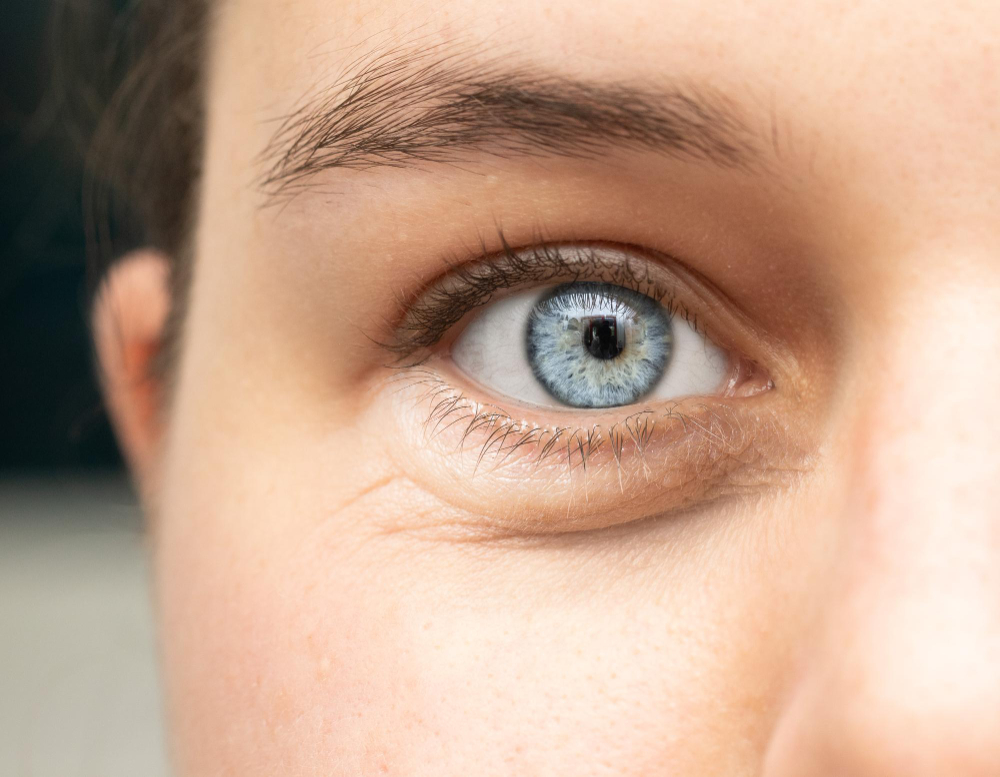
What is Entropian?
Entropian is a condition where your eyelid turns inward. Because of this, your eyelashes and skin rub against your eye. This can cause discomfort and even damage. Usually, entropian affects the lower eyelid. However, it can happen to the upper eyelid as well. Early treatment helps prevent further problems. According to the American Academy of Ophthalmology, entropian is more common in older adults.
Common Symptoms of Entropian
Entropian can cause several symptoms. Often, these signs start slowly and may get worse over time. If you notice any of the following, you should pay attention:
Sometimes, symptoms may come and go. But if they persist, you should seek help.
Causes and Risk Factors
There are several reasons why entropian can develop. Some causes are more common than others. For example, aging is a leading cause. As you get older, the muscles around your eyes may weaken. This makes the eyelid turn inward more easily. Other causes and risk factors include:
Additionally, people with certain medical conditions may have a higher risk. For instance, those with autoimmune diseases can be more likely to develop entropian.
How Entropian is Diagnosed
Doctors use a simple eye exam to diagnose entropian. First, your eye specialist will look at your eyelids and ask about your symptoms. Next, they may gently pull on your eyelid to see how it moves. Sometimes, they use special drops to check for eye damage. In rare cases, further tests may be needed. However, most cases are diagnosed during a regular eye exam. According to the CDC, early diagnosis helps prevent serious eye problems.
Treatment Options for Entropian
There are several ways to treat entropian. The right treatment depends on how severe your symptoms are. For mild cases, simple steps may help. For example, your doctor might suggest:
In more serious cases, surgery may be needed. Surgery can fix the eyelid and prevent it from turning inward again. Most people recover well after surgery. According to peer-reviewed ophthalmology journals, surgery is often very effective.
Prevention and Lifestyle Tips
While you cannot always prevent entropian, some steps may lower your risk. For instance, you can:
Additionally, wearing sunglasses can help shield your eyes from wind and dust. If you have a family history of eye problems, regular checkups are even more important.
When to See an Eye Specialist
If you notice any symptoms of entropian, you should see an eye specialist soon. Early treatment can prevent lasting damage. You should also seek help if you have:
Remember, your eye health is important. Do not wait if you have concerns.
In summary, entropian can cause discomfort and eye problems. But with early care, most people recover well. Consult an eye specialist at Ishaa Netralaya Eye Care Hospital for personalized advice about Entropian.