
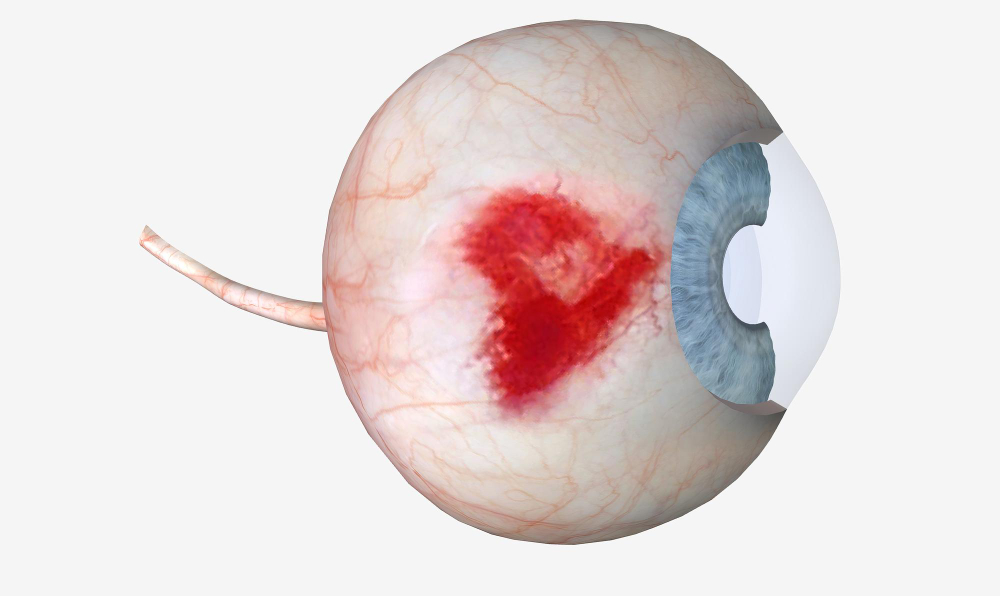
What is Vitreous Hemorrhage?
Vitreous hemorrhage is a condition where blood leaks into the clear gel that fills the back of your eye, called the vitreous. This gel helps your eye keep its shape and lets light pass through to the retina. When blood enters the vitreous, it can block light and affect your vision. Because vision is so important, any sudden changes should be taken seriously. Vitreous hemorrhage can happen to anyone, but some people are at higher risk.
Causes of Vitreous Hemorrhage
There are several reasons why bleeding can occur in the eye. Understanding the causes can help you take steps to protect your vision. Common causes include:
In some cases, the cause of vitreous hemorrhage is not clear. However, regular eye check-ups can help catch problems early.
Common Symptoms
Vitreous hemorrhage symptoms can appear suddenly or develop over time. If you notice any of these signs, it is important to seek help:
Sometimes, symptoms may be mild. But even mild symptoms should not be ignored, as they can signal a serious problem.
How Vitreous Hemorrhage is Diagnosed
When you visit an eye specialist, they will ask about your symptoms and medical history. Next, they will examine your eyes. Often, they use special lights and lenses to look inside your eye. Sometimes, blood in the vitreous makes it hard to see the retina. In these cases, the doctor may use an ultrasound scan. This test uses sound waves to create a picture of the inside of your eye. With these tools, doctors can find the cause and plan the right treatment.
Treatment Options
Treatment for vitreous hemorrhage depends on the cause and how much blood is present. In many cases, the blood will clear on its own over several weeks. However, some people need more help. Treatment options include:
Your doctor will choose the best treatment based on your needs. Early care often leads to better results.
Prevention and Lifestyle Tips
While not all cases can be prevented, you can lower your risk of eye bleeding by following these tips:
By taking these steps, you can help protect your vision and overall eye health.
When to See an Eye Specialist
If you notice sudden changes in your vision, such as floaters, flashes, or loss of sight, see an eye specialist right away. Early treatment can prevent permanent vision loss. Even if your symptoms seem mild, it is better to be safe. Eye specialists can find the cause and suggest the best treatment for you.
If you notice sudden changes in your vision, consult an eye specialist at Ishaa Netralaya Eye Care Hospital for personalized advice. Quick action can help protect your sight.